Tech Boundaries

Ever find yourself doing the "just one more scroll" dance at midnight? Or perhaps you've mastered the art of the "five-minute email check" that mysteriously transforms into an hour-long digital rabbit hole? Don't worry—you're in good company!

Most of us have experienced that moment of shock wondering "Where did the time go?" as we emerge from a tech trance.

The text below is auto-generated. Please excuse any typos!

If you feel like there's not enough time in the day, here are some strategies to create different relationships with technology to improve that feeling. So the first step is we have to be self-aware. Get a sense of your screen time statistics, but not just for your phone. Check out your relationship with your laptop as well.

Now I know for different people, there's different realities of how possible it is or doable it is to close the laptop, give it a bedtime. But for some of us, we can explore hmm, is there room to create a little bit more of a boundary and say, this is the bedtime for the laptop, this is the bedtime for my phone, and create some space for yourself in those ways. The second thing is when we integrate any tool to elicit behavior change when it comes to our devices, know that these things are addictive. Habit change is also very hard. So understand that willpower will wane at a certain point. When it happens and that tool or strategy loses its impact, the key is to recognize, hey, you're human, and then try something new.

Salary No No

In today's job market, there's a persistent question that haunts many job seekers: When is the right time to discuss salary during the interview process? While pay transparency laws are gradually reshaping the landscape, many job seekers still find themselves navigating murky waters when it comes to compensation discussions. The conventional wisdom of "never bring up salary first" might seem outdated in today’s world, but there's more nuance to this advice than meets the eye. Let's dive into why timing and leverage matter when discussing your worth with potential employers, and how to strategically approach this delicate conversation in a way that maximizes your negotiating power.


Auto-generated text below. Please excuse any typos!

This might be controversial, but no, do not bring up salary in a job interview. So the good news is hopefully this video will be outdated sooner than later with new pay transparency laws coming into effect in different states. And, hopefully the way of the future is that everyone always just shares the salary range in a job description. But for the world we're living in now, sometimes we have no idea what the salary will be. And I completely understand that you want to be intentional about your time and energy, but you don't want to bring up the number first because you don't have leverage in that instance. A lot of times organizations are now asking you your salary requirements in earlier stages of interviewing. So you definitely want to be prepared with doing your research and having that band or that range, but you never want to bring it up first. You want them to want you and see you as the best candidate first, and then get that leverage before bringing up salary.

Translating Experience to Resume

Crafting a resume that truly reflects your skills and achievements can feel daunting, especially when writer’s block strikes.

But don’t worry! In this post, we’ll explore two simple yet powerful strategies to help you break through the mental roadblocks and turn your day-to-day tasks and accomplishments into polished, professional resume language.

The text below is auto-generated. Please excuse any typos!

Maybe the most common question I've received over the last 15 years of career coaching is, how do I translate my experience onto my resume? Two strategies for you. One, a lot of times we get in our own heads and we get writer's block when going to write a resume. So get out of the computer screen, close the apps, and instead imagine that you're speaking with a friend or a career coach, and they're just asking you, hey, talk about your day to day. What do you really do? What are some things you accomplished? Or you can even look at your calendar for the last couple of months and let those events, those deadlines that you've put on there remind you of what you've done. You can use a voice memo recorder or dictate and then from there we can polish that up into resume language and jargon. Second strategy, just look at the job descriptions for the roles that you're targeting. Let their language remind you of what you've done and then align your language to match that.

Hope that these strategies help you get your writer's block away.

Adding an Answer After an Interview

It’s happened to the best of us: You’re walking out of an interview or reflecting on it hours later when suddenly, a better answer or example comes to mind—one that could have showcased your skills and qualifications even more effectively. While this can be frustrating, there’s a professional and strategic way to handle it.

The text below is auto-generated. Please excuse any typos!

What do you do if you're interviewing for a job and you think of an answer or an experience of yours after the interview that could actually better showcase your skills and qualifications for that role? So of course you don't want to do this after every round of an interview, but sometimes this does happen because our brains are much more capable of having that creative problem solving and thinking when they're not under stress. So if it happens to you a few minutes or hours after an interview where you think of a better example, and especially if it's not reflected in your resume or application materials, here's what you do:

When you send your thank you email, start by thanking them for their time and for sharing more about the role. Then say, as I reflected further on, your question regarding ABC, it reminded me of an example I failed to share with you. You give one to two sentences about that that demonstrates your fit for the role or your school skills or qualifications and that's it. Then you wrap up with your enthusiasm and looking forward to next steps. Hope this helps you!

Answering a Multi-Part Interview Question

Job interviews can be stressful, especially when you’re asked a question that feels like two or three questions rolled into one. These complex, multi-part questions are particularly challenging because they require you to process and remember multiple pieces of information—all while managing the pressure of the interview setting.


But don’t worry—there’s a way to handle these tricky questions with confidence and clarity.

The text below is auto-generated. Please excuse any typos!

Have you ever been in a job interview where you're asked a question, but it's really like two to three questions in one? Those are very, very challenging for us to remember. first of all, because it's a lot of information, but second of all, when we're typically a little bit more nervous or stressed in an interview, our cognitive resources are a little bit more offline. It's harder to kind of track everything because our bodies are in that fight, flight, freeze mode.

So two strategies, one is do as much as you can to manage your stress prior to an interview, but two, here's what you can do. Or if you just really don't know what you're gonna answer for that question, you can also use this strategy one-off as needed. So you can ask them to repeat the question, and it's totally fine to take notes and write it down, whether you're in person or virtually. And then as you're writing it down, your brain's going to start to think of the examples, and a lot of people are scared to ask for that question to be repeated, but it is very much okay.

Interviewing Mind Blank

Interviews can be nerve-wracking, and one of the most dreaded moments is when you’re asked a question, and your mind goes completely blank. Sound familiar? Don’t worry—you’re not alone. It’s a common fear, but with the right approach, you can navigate this scenario with confidence and poise.

Here’s a simple yet effective strategy to handle those moments:

The text below is auto-generated. Please excuse any typos!

What do you do if you're interviewing and you get asked a question and your mind goes completely blank? It's pretty much everyone's worst fear in the job search process, but I have a tool for you to keep in your back pocket. Now, part of what we can do to mitigate the risk of this happening is to prep as much as possible. So definitely check out my other tips and strategies for interview prep. But if the worst case happens, here's what you can do. Acknowledge the question. So look the person in the eye and say, thank you for that question. Let me think about that for just one moment. As you say that you can break eye contact and look away, which takes a little bit of the pressure off and then your brain is going to start to have some space to come up with your answer. So it's going to feel those three seconds or five seconds that you look away and think is going to feel like three hours to you, but it's much better than stumbling and mumbling your way through an incoherent answer.

Happiness Savoring Strategy

Happiness isn’t just about big milestones or grand achievements—it often lies in the small, everyday moments. One way to tap into this daily joy is through the practice of savoring.

As part of The Science of Happiness program at Yale, Laurie Santos explores this concept in a video that’s free and accessible to all. In this Youtube short, you’ll find a quick breakdown of how savoring can enhance your happiness:

The text below is auto-generated. Please excuse any typos!

Here is your happiness assignment: Explore your relationship with savoring. Now, I'm going to link to a video that Lauri Santos delivers as part of her The Science of Happiness program at Yale. Highly recommend it. It's free and accessible to all, but this little thing can really permeate all areas of your life, and it's a practice that you can cultivate. And some people are natural savorers. So if you think about something that is a little pleasure in your day, so maybe that warm cup of coffee, first thing in the morning? What's one thing that you can think about that's pleasurable in your day to day? And, really be mindful and attuned to any sensations that go on in that moment. So that's the process of savoring. And the science shows that this can extend those feelings of joy, of contentment and influence our happiness.

Embracing the Cringe: A Job Search Strategy That Works

When it comes to job searching and interview prep, there’s one strategy that can make a world of difference: focusing on the cringe. This approach helps candidates tackle their insecurities and turn perceived weaknesses into strengths.

As a Career Coach, I’ve found this method invaluable for my clients. Watch this Youtube Short to hear my tips on embracing the cringe.

The text below is auto-generated. Please excuse any typos!

One strategy that I help my career coaching clients with when they're job searching and doing interview prep is to focus on the cringe. Now, if you're applying for a position where you're having to level up or you're pushing yourself a little bit outside of your comfort zone and growing into the role, sometimes when you read through the position description, you think, I don't really have that experience. I hope they don't ask me about this. And for many of us, we use an avoidance strategy. We think, I really hope they don't ask this, so I'm not going to even think about it. Now, go through the job description, look at any of those things where you think they could notice that you're not bringing as much to the table as someone else, and practice out loud and over-prepare for those questions. Best case scenario, they don't end up asking about it, but if you just avoid it, it's still likely that it's gonna come up, and the more you prepare and walk through that with a coach or yourself, the less cringy it'll be when you deliver your answer.

Career Change Story

Career changes can be daunting, but they also present exciting opportunities for growth and fulfillment. In this blog post and Youtube Short, we dive into an inspiring career change story that showcases the power of adaptability and perseverance. Whether you’re contemplating a career shift or simply looking for motivation, this story offers valuable insights into navigating the complexities of changing professional paths.

The text below is auto-generated. Please excuse any typos!

I finally listened to that nagging feeling that had been weighing on me for a number of months. It was my junior year of college at Villanova. I had done pretty much all the requirements for my elementary education concentration but I had realized that I didn't want to be a teacher anymore and there was a lot of grief and a lot of anxiety around having spent all that time, money, and energy pursuing something and then changing my mind. I finally got up the guts to tell my parents and then I got up the guts to go to Career Services and work with a coach to figure out what I wanted to do but here's the plot twist!

I was pretty pissed after I left my first session with a career coach because I went in expecting and hoping that if I told them what I brought to the table they would just tell me what to do with my life but I came back around. I worked with a coach and through that relationship I learned what my values, interest, personality, and skills really were and what I wanted my work to mean to me. And, through that I discovered the path that I'm still on today over 15 years in.

So, if you have this sinking feeling in your gut and you just know there's a disconnect between what you're doing and where you'd rather be spending your time and energy and maybe you don't know what the thing is but you know it's not this here's your sign your nudge to listen to that to lean into that fear and give yourself that time and attention to figure out what will feel more aligned for you.

Combat Imposter Syndrome

Impostor syndrome is a common experience where individuals feel like frauds despite their accomplishments. This can often undermine confidence, stifle career growth, and create unnecessary stress. Understanding and overcoming impostor syndrome is crucial for both personal wellbeing and professional success. Watch this Youtube Short to help you navigate and conquer these feelings.

The text below is auto-generated. Please excuse any typos!

Use this tip to help bolster your confidence in any organization that you might be in or if you're stepping into a new role and feeling a little bit of impostor syndrome. This can also be really helpful if you are job searching. So I call it the happy face folder. Anytime you have had good feedback from a performance review maybe you've gotten a kind comment from a client, customer, or colleague save these things and put them into a folder in your email that's literally just a happy face. Anytime that you start to feel that self-doubt, you might be in a growth edge where you're working on something you're not as skilled at, check out your happy face folder. Especially when you're job searching and you're not hearing back from organizations or maybe you didn't get selected this can be the thing to give you that little nudge and Pat on your back to remind you you have a lot to offer

Walk Me Through Your Resume

The text below is auto-generated. Please excuse any typos!

Walk me through your resume. If you ever get asked that in an interview or a networking conversation don't answer it! Literally, what happens is it ends up being a mini life story and filled with a lot of information that doesn't actually pertain to the conversation at hand. So, the question within the question that the other person's really trying to get at is: tell me what I need to know about you, your background, and your experience that matters for this conversation at hand that shows you’re a good fit for this job opportunity. If you keep that in mind and use that to frame your answer and what you highlight about your background it's going to be a much more effective answer.

The Best Interview Preparation

The text below is auto-generated. Please excuse any typos!

What's the best way to go about prepping for a job interview and knowing what questions you're going to get asked? Start with the job description. So many of my clients before we work together when they're called for interviews they start by Googling frequently asked interview questions or common interview questions and while that's not a bad practice it's not the best way to go about it. You have all the clues in the job description to know what the organization is curious about so take that and dissect it and turn everything from the duties to the qualifications and skills into questions.

So, for example if they talk about a need for project management skills they're probably going to ask a question like: tell me about a time when you managed a project. You can also use Chat GPT or one of your favorite AI tools plug it in and say act as a hiring manager and create a sample list of questions pertinent to this role. From there, you can then start to zoom out and look at those frequently asked questions like tell me about yourself but this is going to be much more effective.

Two Books for Work and Wellbeing

In the pursuit of a more fulfilling and balanced life, sometimes the simplest solutions are the most transformative. If you're looking to enhance both your professional and personal well-being, there are two essential books that offer profound insights and practical advice.

The text below is auto-generated. Please excuse any typos!

Here are two books that can really impact your work and your well-being. The first is Breath: The New Science of a Lost Art by James Nester. About 90% of us are breathing incorrectly and I don't share that to scare or fear-monger but to build awareness that a lot of us are disconnected from the best way of creating this foundation of well-being within ourselves that can really impact all areas of our lives. The other book I want to mention is Designing Your Life: How to Build a Well-Lived Joyful Life. This is one of the books I recommend the most for my clients and for people just thinking about how to re-engage with their work and re-engage with activities both in and outside of the office that bring them joy. It's filled with activities and prompts to help you really get reflective about how you're spending your time hope that these books help you take good care of yourself no matter what you're up to.

Do This When You Can't Sleep

If you've ever found yourself tossing and turning in bed, desperately wishing for sleep that just won’t come, you're not alone. Sleep is one of the most vital components of our well-being, but when we’re stressed or burned out, it can often be the first thing to suffer. Whether you're dealing with burnout from work, caregiving, or just life's demands, the quest for restful sleep can seem elusive. Fortunately, there are practical strategies that can help you reclaim your nights and restore your energy. Let's dive into some effective tools and techniques to improve your sleep quality, even when you're feeling overwhelmed.

Auto-generated text, please excuse any typos!

if you want to know more about the stages of burnout or the different characteristics and qualities to look for to assess if you're burned out or not definitely check out some of the other videos on this channel but I want to share a tool that is easier said than done that can be supportive no matter where you are on that burnout cycle.

Sleep is one of the most healing things that we can do for our minds, bodies, and souls. It's often one of the things that can really go by the wayside when we're burned out. Whether our burnout is coming from caregiving or if it's from our work a lot of times when our plates are more full we sacrifice sleep. Think about what you can control and what is within your power to tinker with to get better sleep. Another strategy is Yoga Nidra if you're trying to sleep and you're not able to go down or you're waking up and having trouble going back down this is a form of non-sleep deep rest that can help your body feel like it's recovered that lost sleep.

Take Control of Your Sleep

Remember, even when burnout feels overwhelming, there are steps you can take to improve your sleep and overall well-being. By implementing practical sleep strategies and incorporating Yoga Nidra into your routine, you can help your body and mind recover from stress and exhaustion.

Sleep is a powerful tool for healing and recovery. By prioritizing it and using techniques like sitting in stillness and Yoga Nidra, you can enhance your rest and resilience, helping you navigate through burnout with greater ease. Sweet dreams and restful nights ahead!

Unlock the Power of Hugs

We all have that one friend or family member who's known for giving long, warm hugs—the kind that last a little longer than most. While it might seem like just a quirk, there's actually some science backing up their embrace. According to Burnout: The Secret to Unlocking the Stress Cycle by the Nagatsuki sisters, a 20-second hug can be a powerful tool for combating stress and resetting your body’s natural balance.

When we face stress, our bodies often go into fight, flight, or freeze mode—a natural response designed to protect us from danger. But in our modern lives, these stressors are less about physical threats and more about work deadlines, social pressures, or personal challenges. And while the stress triggers have evolved, our physiological responses haven’t quite caught up. That’s where the long hug comes in.

What Happens During a 20-Second Hug?

When you engage in a 20-second or longer hug, several positive changes occur in your body:

  1. Hormonal Shifts: Your body starts to release oxytocin, often referred to as the "love hormone." This chemical not only promotes feelings of bonding and connection but also helps reduce cortisol levels, which are associated with stress.

  2. Lowered Blood Pressure: As you relax into the embrace, your blood pressure begins to drop, which is a sign that your body is moving out of the high-alert state that stress often triggers.

  3. Slowed Heart Rate: Alongside the drop in blood pressure, your heart rate slows down, signaling to your body that it’s safe to exit the fight-or-flight mode.

How to Use This Strategy

If you’re feeling overwhelmed or caught in a stress cycle, consider leaning into a hug. It doesn’t have to be forced or awkward—just a genuine, comforting embrace. If this feels accessible and safe for you, it can be a simple yet effective way to help your body return to a more grounded state.

So the next time you find yourself on the receiving end of a long hug, don’t rush it. Embrace the moment—literally—and let it be a tool for resetting your stress response. Your body and mind will thank you for it.

Surprising Job Search Mindset Tool

Job search resilience refers to the ability to remain positive, motivated, and persistent despite the challenges you might face during the job search process. Watch this video to learn a tip that can help build job search resilience.


Auto-generated text below. Please excuse any typos!

I want to share one of the most creative things I have heard when it comes to thinking about job search resilience. So I was speaking at a conference and my co-panelist shared that she had been laid off from a job and every morning before she got started with her applications and her networking, she would watch a commencement speech.

Now that was not the thing that I was expecting to hear. And she shared that a lot of times in those speeches, people are talking about really hard times in their lives, how they persevered, and then usually they're pretty successful people. So I thought this was so thoughtful, so creative, so out of the box, and a great way to think about taking care of your mindset and your mental health when going through something that can be pretty challenging for many people.

So I hope that this tool is supportive for you, whether you've been laid off or not, to help you have another tool in the toolkit for taking good care of yourself.

Salary Negotiation

Have you had the desire to negotiate your salary but you’re not sure how your employer will react? Turns out salary negotiation is common and even expected from the majority of employers. Explore compelling reasons why negotiating your salary is helpful for your career success.


Auto-generated text below. Please excuse any typos!

Did you know that about 70% of organizations expect candidates to negotiate after they're given a job offer? Yet only about 50% of people actually do that negotiation. Now there's a lot of factors at hand, and I do want you to know, if you're excited about and happy about the offer, then you don't have to feel pressure to negotiate.

That being said, a lot of times we just get anxious, and I notice that my clients just get nervous that an offer will be rescinded, and that is what prevents them from negotiating. There are many different ways to approach this conversation in a respectful and grounded way, to advocate in the facts and the data that you do deserve more without offending an organization or the employer at hand.

If this is something you're interested in learning more about, I'm happy to connect. But even just knowing that many people put an offer out there expecting you to ask for more can be the nudge that a lot of people need.

Breathing While Scrolling

Have you heard of screen apnea? Explore this phenomenon where we unconsciously hold our breath while using digital devices. Screen apnea can lead to increased stress and decreased cognitive function. Keep reading to learn the the importance of mindfulness and breath awareness to mitigate its effects and promote overall well-being.

I invite you to use this blog post to practice conscious breathing while scrolling!


Auto-generated text below. Please excuse any typos!

Check in right now as you're on your screen on your breathing. Odds are very, very high that it's really shallow in your chest. You might even be going in and out through your mouth. And at certain points, you might even be somewhat holding your breath without realizing it. This is a concept called screen apnea.

Linda Stone, a former Microsoft executive, came up with this term. And it relates to this phenomenon of not even noticing when we're in a deep level of focus and concentration or honestly also mindless scrolling on our phones, there's so much stimulation and our focus is so narrow that we tend to really slow down the pace of our breath.

Now there's a lot of different things to think about with this, but you might notice you feel exhausted at the end of a day, even if it wasn't very stressful because of this type of breathing. This turns our nervous systems into more of that fight, flight, freeze mode because when we breathe in this shallow way, we think that we're looking for, our bodies think that we're perceiving a threat or watching or a threat. So check in on your breathing and make sure you take some breaks and follow for more tips.

Quick Burnout Check-In

Explore the hidden costs of burnout in this quick video. Uncover the toll that chronic stress can take on your well-being and productivity. Implementing small changes can lead to significant improvements in your overall satisfaction and effectiveness at work.


Auto-generated text below. Please excuse any typos!

Many of us spend our days in go, go, go, move, move, move, do, do, do mode. And this is a quick check in to get a sense of whether or not you're headed down a path towards burnout.

Burnout Criteria

So the three criteria that were originally part of the 1975 definition of burnout by Herbert Freudenberger are a decreased sense of accomplishment, a depersonalization and emotional exhaustion. Now we know that burnout can come from many areas of life, not just work as it was originally coined to be referencing, but check in on each of these and see how many of them hold true to you.

Do you feel like nothing you do really matters anymore? Do you feel less empathy or sympathy or compassion for the people around you? And do you feel just emotionally exhausted, exhausted most of the time?

If that's the case, I highly recommend that you start to build that self-awareness to take some action to take good care of yourself and get the support that you need.

Facing Farewell: Resources for End-of-Life Care and Grief

This is a post I wish I never had the knowledge to be able to write…

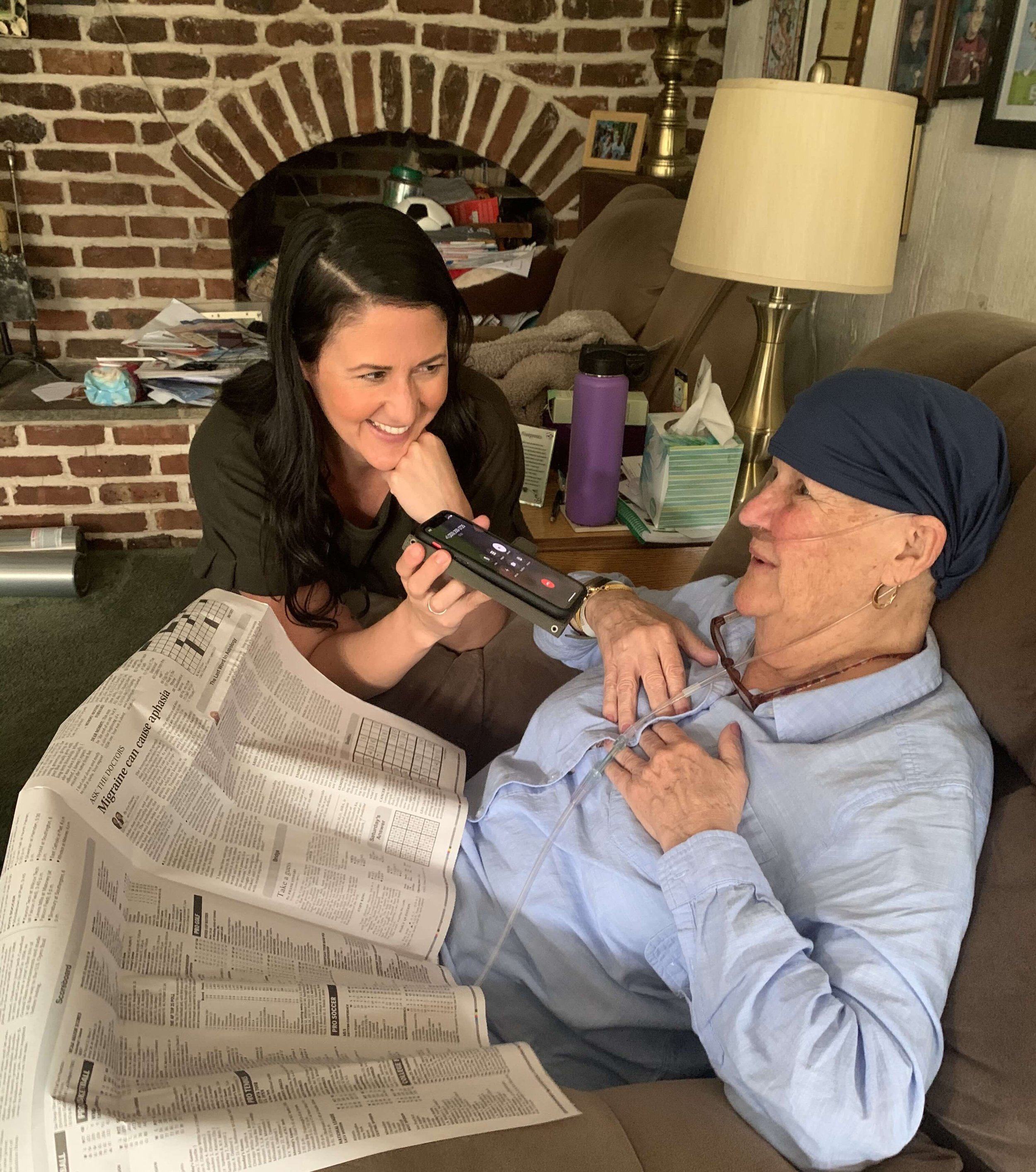
When my mother went to the Emergency Room in September of 2019, she was diagnosed with Stage IV non-smokers lung cancer and told she had months to live.

I gleaned many lessons and resources over the next two years of her decline, subsequent death, and while navigating the “after” and grieving process.

I’m publishing this on the 2-year anniversary of her death and am called to briefly share about her before getting into the resources.

Patricia Hayes Axtmayer was one of the kindest humans to walk the earth. She was a nurse, Red Cross Volunteer, blood and platelet donor, mom, mentor, grandmother, sister, lover of libraries, dog rescuer, half marathoner, and the woman who dedicated her days to making other people happy. She lived her 70 years in service to making the world better, even donating her body to medical school for research as a final act of selflessness.

I like to think that her legacy of helping others lives on through my words today, in sharing tools to support others through this incredibly challenging and inevitable part of life.

Whether you’re witnessing someone aging, caring for a person with a terminal illness or at the end of their life, or are in the throes of grieving the death of a loved one, there is something for you in the words to come.

No matter what, I hope you know that you are not alone.

Anticipatory Grief

I didn’t really know about this concept before my mom was given a terminal diagnosis. The nutshell definition is: “the distress a person may feel in the days, months or even years before the death of a loved one or other impending loss.”

This article goes more in depth into what anticipatory grief is, how it may feel, and more, as the term transcends the conversation around death and can relate to other potential losses and big changes in life as well.

Recently, it became clear that this feeling hits home for many when a tweet stating “We don’t talk enough about the anticipatory grief of watching your parents age” went viral.

An important note is that there is conflicting data around whether experiencing anticipatory grief can help soften the blow later. I can speak from my own experience to say that it didn’t – and I was surprised and unprepared for that reality.

We were told mom had months to live, but through clinical trials and different chemotherapy regimens, she made it two years. I wrote the bulk of my mother’s eulogy and obituary while she was still alive. We spoke together about death, a future without her in this physical world, and I pre-picked the favors for her memorial mass during what ended up being her final days of life (the favors turned out to be a charming tribute to her love of gardening).

My Type A personality may have subconsciously thought that I could project manage my grief…

While I’m grateful I was able to do these things before (anything that lightens your administrative and cognitive load during those initial weeks of grieving is a huge help), it did nothing to lessen the devastation when she died.

I share this not to be the bearer of doom-and-gloom but because I think it’s important to have realistic expectations - you can prepare all you want but it’s likely you will never be fully ready for what it feels like to experience the loss. That doesn’t mean there is anything wrong with you, it’s just the nature of what comes with something this monumental.

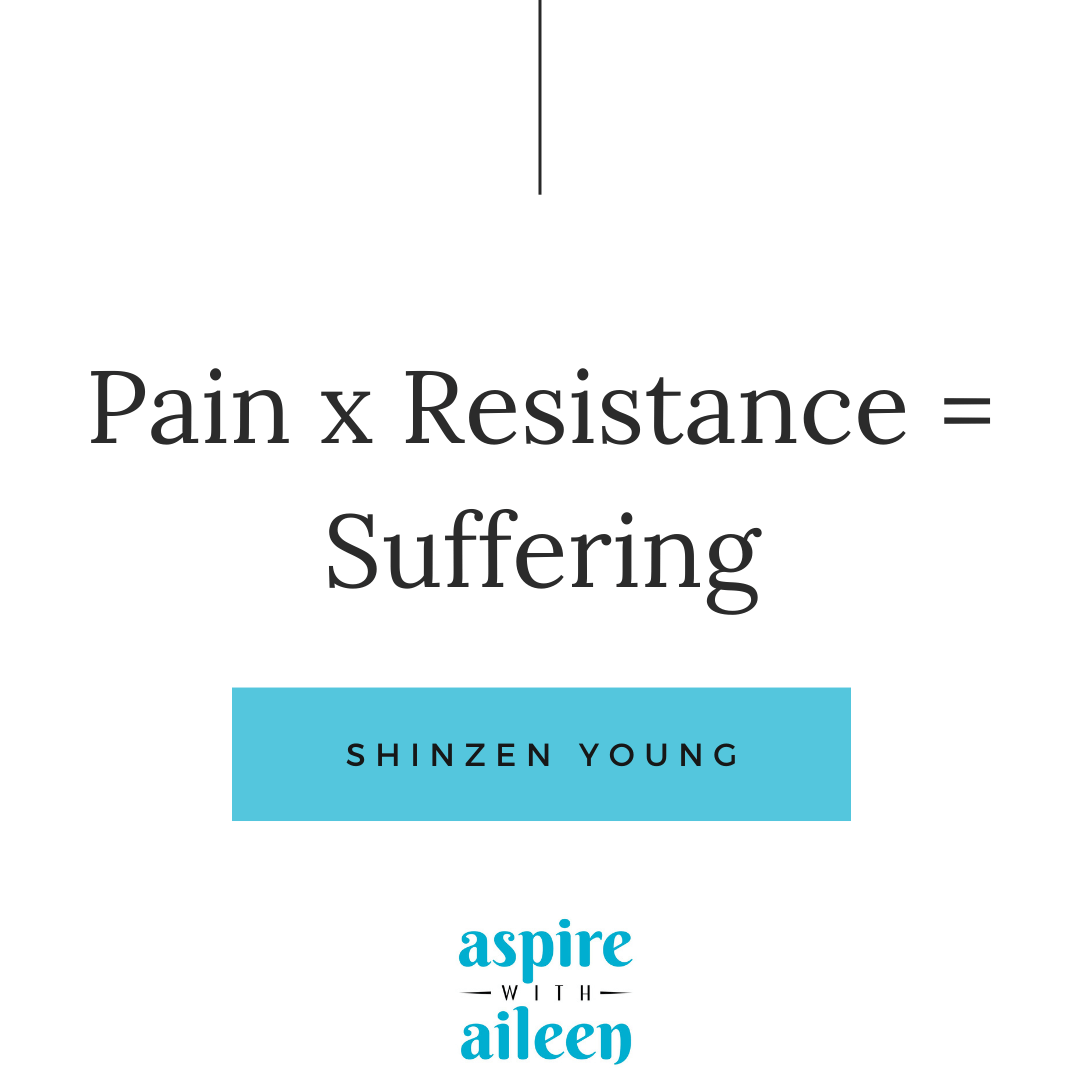
There is a formula that comes from Buddhist tradition that relates well to this:

I was frustrated by the depth of pain I felt because her death was expected. That resistance made my suffering worse. Perhaps with an awareness of this concept, you’ll be less likely to resist your pain even though accepting it is incredibly hard as well.

Palliative Care

This is another term many people aren’t familiar with and/or don’t know of as a potential resource.

Here is a good synopsis provided by Cleveland Clinic:

“Palliative care provides symptom relief, comfort and support to people living with serious illnesses like heart disease, cancer or chronic respiratory disease. Its benefits extend to caretakers, too. If you’re living with a life-altering illness, palliative care may be available to improve your health and overall well-being.”

The article goes on to describe different aspects of palliative care including populations that can benefit (anyone with an incurable medical condition of any age/stage), who provides it, and the breadth of support it’s designed to provide.

The hospital my mom received cancer care from had a palliative care division, but I found we really had to advocate to tap into their resources. I won’t go into the politics than can exist between various providers in the healthcare system, and I’m sure it plays out differently depending on where you are/what the medical situation is, but at some larger institutions the left hand may not know what the right is doing.

So, it’s important to know about and that you can ask for this kind of support!

An example of how this can look: my mom often had many side effects from her chemo treatments and we could only cover so much in a short appointment with the oncologist. Working with the palliative team, we could spend more time talking through all areas of my mom’s life, her goals, and how to best support her both physically and mentally (for example in addition to medications they made a referral to the social work team).

The best time to tap into palliative resources is as soon as you can, as it’s designed to accompany you in navigating everything from the financial to emotional components to symptom management.

In fact, “patients who receive palliative care early in their disease course may live longer than if they did not receive palliative care, or received it later in the disease course.” JAMA.

Also, “Recent clinical trials examining the effects of early integration of specialty palliative care show marked improvement in patient satisfaction, mood, quality of life, health care utilization, and overall survival. For example, patients who received early in-home palliative care services in addition to usual care had fewer emergency department visits, hospital admissions, and lower medical costs.” https://www.ncbi.nlm.nih.gov/pmc/articles/PMC5730447/

My absolute favorite expert on all things palliative medicine is Dr Sunita Puri – her book That Good Night: Life and Medicine in the Eleventh Hour is an exceptional read and really examines the ways the medical system can relieve suffering and become more comfortable with end of life discussions.

I read her book while my mom was alive, and it helped me learn more about how the system should address suffering and whole-person care, which empowered me to advocate for her through the last years of her life.

If you’d like to get a taste of this concept, here is Dr Puri talking about what I hope will be the norm in medicine to help patients and families avoid unnecessary suffering and examine quality of life over quantity of time alive.

My mom had the “gift of the gab” and always asked her providers to share how THEY were doing. Here we’re speaking with her palliative medicine doctor to explore additional symptom support

Hospice: Inpatient vs. Home Care

Some people confuse palliative care and hospice care – these are distinct and if you’re new to end of life conversations, it’s important to clarify what hospice is:

“Like palliative care, hospice provides comprehensive comfort care as well as support for the family, but, in hospice, attempts to cure the person's illness are stopped. Hospice is provided for a person with a terminal illness whose doctor believes he or she has six months or less to live if the illness runs its natural course.”

For example, when my mom was working with the palliative care team, she was still receiving chemotherapy. When it stopped working, she stopped infusions and transitioned fully to hospice care. The oncology team told her she would have 1-2 months left, and she died 29 days later.

Here are some resources that cover the FAQ’s about hospice care, including different types of options for where to receive it, insurance coverage, and more:

The great debate for many people is whether to receive inpatient care or to do home hospice care.

It’s a huge question with lots to consider, and much easier to talk through when it’s a hypothetical. Most people end up being in a position to choose when it’s time sensitive because who wants to think about dying?! More on that soon…

We did home hospice, and a few things I think are important to share:

  • It does NOT include around the clock care – the primary caretaker/family/friends are responsible for the care which can include symptom management, medication management, lifting the person in/out of bed or wheelchair, helping the person to the bathroom / changing diapers, managing procurement of and refilling supplies.

  • Typically, a hospice nurse comes to provide home visits at a certain cadence depending on the medical details. Our experience was a once/week visit with lovely, kind, and caring nurses. The provider rotated between 3 or so nurses. There are options to pay for private care to get additional care, and some insurance may have benefits to help with the financial side of that, but it’s another logistic to manage.

  • It was incredibly hard, even with the shifts spread across us 4 children and a few dear family friends. It was also a privilege to care for her, and beyond special to know my mom was where she wanted to be for the end of her life - feeling the good energy and surroundings of a place she lived for 40 years. 

Death Doula

This is yet another resource that’s not as well known – perhaps more than all of the others mentioned here so far!

Only a few years ago I had NO idea this was a profession. These beautiful souls focus on helping a dying person and their loved ones before, during and after death.

“An end-of-life doula provides emotional and physical support, education about the dying process, preparation for what’s to come and guidance while you’re grieving.” https://health.clevelandclinic.org/death-doula/

Other terms can be death midwife, end of life doula, end of life coach, or death coach.

I found a local death doula and we met with her once… we thought we had more time, but my mom died only 3 days after our conversation with her.

We sat together on the porch, one of my mom’s favorite places, sipping tea and talking about life. Their conversation went into some philosophical places, and my sister and I saw a reflective side of my mom through witnessing this exchange. My sister even used part of their conversation in her eulogy, and we’re forever grateful that my mom was able to feel supported through this offering.

Here is an example of a well-known death doula, and she has a directory of other providers on her website as well.

Legacy Work

Something that can be done with or without death doulas is legacy work.

This can take many forms and people can either be heavily involved or not much involved depending on the project.

I love this description from Penn Medicine: “A challenging diagnosis often leads people to think about their legacy, what and who they will eventually leave behind. People often think of their financial situation, but almost always, there is the shift to our relationships. We think about what people mean to us, what we want to share with them, what we hope for them.

Unfortunately, all too often, these thoughts stay thoughts and aren’t actually put into motion or shared. “Legacy work” is the process of transforming these thoughts into action. It’s the act of sitting down and taking time to purposefully create something for the people you love and care about. It is a way to capture life stories, lessons, sentiments, memories, and traditions. Legacies can convey what we want remaining and future generations to know and understand about our life experiences. They help us to remember and heal as we carry on important traditions.”

That link goes into many examples of what this can look like – which includes capturing family recipes, stories, photos, and voices. This doesn’t have to be something you wait to do until end of life or a terminal diagnosis, and Storyworth is one example of a platform designed to capture stories in a longitudinal way.

If that quote I shared above about aging parents resonated with you, you can explore this for yourself now! Here are more prompts: https://www.legacyproject.org/activities/lifestory.html

I shared my mom’s original prognosis in a new mom Facebook group and asked for ideas to keep her memory alive for my daughter since she was only 3 months old. I was met with such compassion, kindness, and many actionable ideas (which is impressive since mom Facebook groups have a pretty bad reputation!).

One that stood out: “if there’s any habits she has - try to save those! Example: my mom always called and sang me happy birthday. I would give anything to have that recorded somewhere. My birthday has been the hardest part of losing her for that reason.”

Weirdly enough, I had a voicemail saved from 2017 where my mom sang happy birthday to me and left one of her epic signature long-winded ramble-y messages. I listen to it often and it’s quite the balm on harder days.

Resources:

This is already 4 pages long in MS Word so I better cut myself off soon! Additional resources:

Grief… I could do an entire post on this topic alone, but there are experts out there for that. I’ll share a few things that I found helpful.

A friend, whose sister had died a few years prior, sent me this reddit post. The wave analogy and the reminder that grief is also love was comforting, especially in the initial stage of feeling overcome and weighed down by the intensity of it all.

The ball and box analogy for grief can be a supportive framework for how your feelings may evolve over time. That same friend sent me this podcast episode called “Grateful for Grief” between Anderson Cooper and Stephen Colbert which had me reaching for the tissues.

These are some ways to care for your mind/body through the demands of caretaking and grieving (I personally have used all of these and credit these modalities as being critical to surviving the trauma of it all):

  • EMDR Therapy- specific modality for working through trauma. This website has a directory for finding practitioners.

  • Acupuncture – game changer! I worked with Heather at Wander Well Acupuncture here in MA when trying to conceive all the way through to today for general support. You name it, acupuncture can help address it.

  • Therapy – I was a new mom, partner, friend, sister, daughter, caretaker, business owner, coach, and wellness speaker (and then in the midst of it all, COVID happened!). I needed a place to be able to fall apart. In managing and holding space for others most of each day, this was a sacred place to just be a mess and feel supported by someone else.

  • https://endwellproject.org/ - their talks and resources are impressive. I’ve found the recordings of talks especially inspirational. From them: “End Well has become the most widely known and respected organization at the intersection of popular culture and healthcare with a focus on end of life, grief, loss, caregiving, and associated health and welfare challenges.” They have a “fresh perspective and commitment to infusing wonder, joy and hope into these conversations while also tackling the tough stuff.”

  • Family Medical Leave Act in the USA (additional info here): There are eligibility requirements and different policies depending on where you live, but it’s important to know about potential options for leave from your employer if you’re a caretaker. I recently did a wellness workshop on burnout and a participant shared that after the session she realized she was fried and needed to get more support as she cared for her father. She was able to use the policy to go part-time in her work, and is markedly less stressed in managing competing demands and able to be more present with her father. Here are 5 things employers get wrong about caregivers at work. The more we share our struggles, ask for resources and policies, and normalize the human experience, the more likely we can ignite greater change.

Books:

  • A Beginner's Guide to the End: Practical Advice for Living Life and Facing Death by BJ Miller and Shoshanna Berger. This is a must read for all humans, whether you have a chronic illness, are near end of life, or a regular ol’ 40 year old. It’s a phenomenal resource for ALL parts of preparing for the inevitable end – literally all of the things, from getting affairs in order to what to expect of the mind and the body in its final stages of life.

  • Being Mortal: Medicine and What Matters in the End by Atul Gawande. Another exceptional read (and dovetails nicely with the book mentioned above by Dr Sunita Puri). My dearest friend has used this as a framework for navigating proactive conversations with her family members to know what everyone’s wishes are in (the hopefully very distant) end.

Grief focused books:

  • Healing After Loss: Daily Meditations For Working Through Grief by Martha Whitmore Hickman. This is my absolute favorite for myself and that I’ve purchased it for others. If you cringed at the meditation part, it’s not actually meditation. Each calendar page has a quote and a short note that usually strikes a comforting/validating chord.  

  • Full disclaimer- I only partially read these two books that were recommended to me. I tried to read them before my mom died and again in the very initial month or so after, and my grief brain fog didn’t allow much to sink in. It's OK That You're Not OK: Meeting Grief and Loss in a Culture That Doesn't Understand by Megan Devine and also Anxiety: The Missing Stage of Grief: A Revolutionary Approach to Understanding and Healing the Impact of Loss by Claire Bidwell Smith (she also runs grief programs/workshops).

Wrap it up, Aileen!

Death is fascinating in that it’s one of the only things that every human has in common – one of the only guarantees – yet one of the most avoided topics.

I hope that if you’re reading this, you and your loved ones are far away from needing the information… and perhaps this can inspire you to have the hard but important conversations when the stakes aren’t as high.

I know that most likely, you’ve read this far for other reasons. My heart is with yours and I’ll share what Susan David says as a reminder of the duality of life: “Life's beauty is inseparable from its fragility.” 

Wishing you and yours many more days of beauty and comfort ahead.

Thank you, Mom, for continuing to help others breathe easier. Love you more than the world.
Feeling the jet lag together in Ireland, one of her favorite places in the world, in 2010