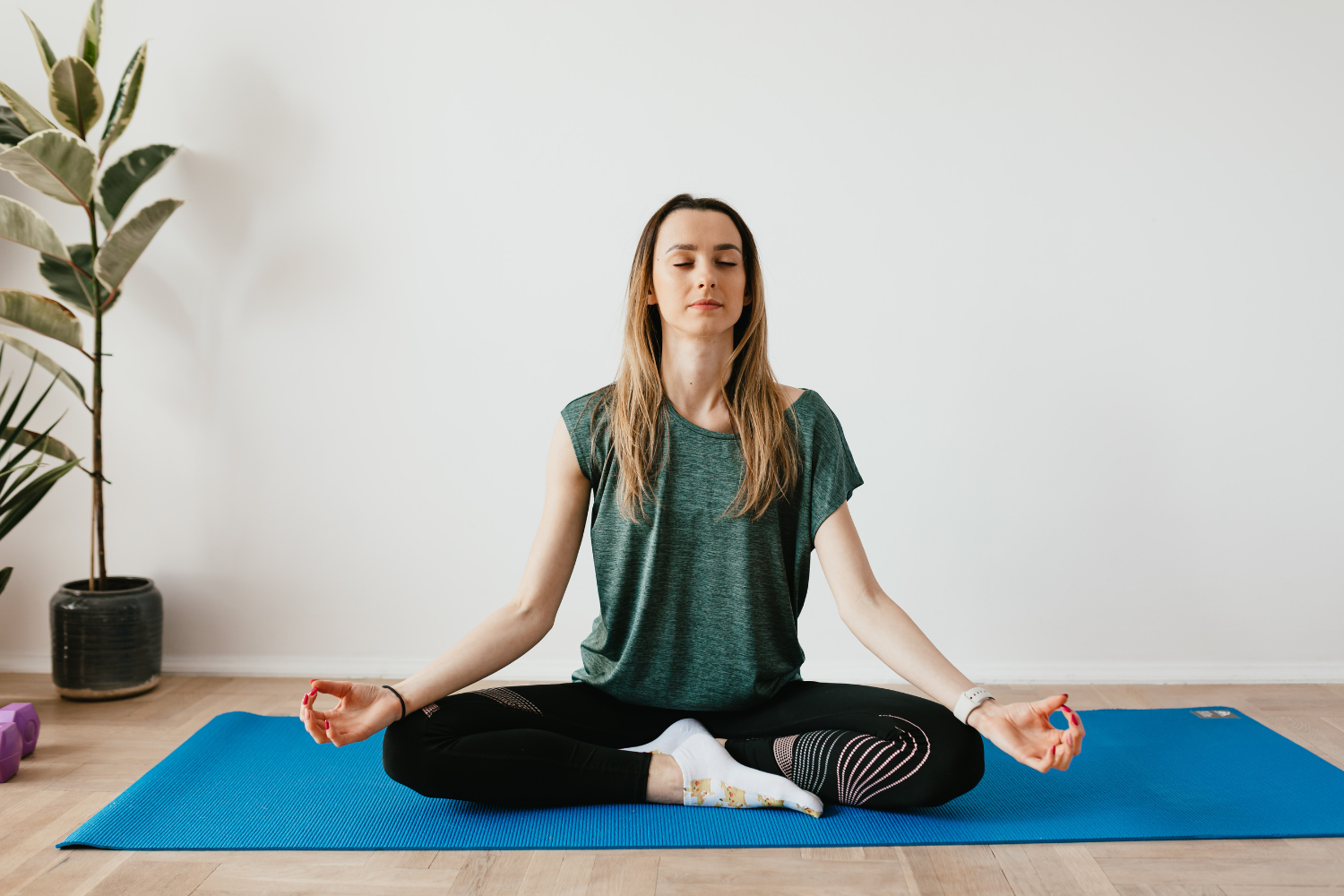
“Just calm down” sounds simple, but it rarely helps when your body is already in a stress response. When your nervous system is activated, logic alone is not enough to bring you back to calm. In this post, you will learn why that advice often backfires and what actually helps regulate your system so you can respond more effectively.
Breathing to Complete the Stress Cycle
Most people think stress is the problem. It is not. The real issue is that we rarely complete the stress cycle, leaving our nervous system stuck in a constant state of activation. This shows up as tension, fatigue, and difficulty focusing, especially at work. In this post, you will learn how breathwork helps regulate your body, improve performance, and build the kind of confidence that actually lasts.
How to Address Burnout in the Workplace Before It Costs You Your Best People
Stress Management Training for Employees: What Organizations Get Wrong and How to Fix It
A Mindset Shift That Helps Employees Actually Take Breaks
Between the year-end sprint at work, the holidays, and #allthethings, this stretch from Halloween to January 1st can feel like a black hole of chaos. (Anyone else? Bueller?)
What if the most productive thing you did during any “push” season… was sloooooow down?
As a recovering perfectionist and Type A planner, I used to think rest was something you earned 𝑎𝑓𝑡𝑒𝑟 getting everything done. But when I created my “Power of Rest” program, the research (and my own burnout recovery) taught me something powerful: micro-moments matter. In fact, sometimes the reality is: that’s all we feel like we realistically have.
Even a 5-minute mental break every hour can significantly boost mood and help sustain attention. Small rest = big results.
Here’s the challenge: many of us know this… but we don’t do it.
If slowing down feels uncomfortable, that’s normal - it’s a new skill for many. In this clip, I share one mindset shift that can help quiet the guilt and give yourself permission to pause.
What helps you integrate calm amidst chaos? I'd love to hear your go-to strategies - the more we see others modeling rest, the easier it becomes to give ourselves permission to do the same.
Learn more about signature programs and speaking style: https://www.aspirewithaileen.com/corporate-wellness
If you're ready to book a consultation to discuss your speaker needs: https://aspirewithaileencalendar.as.me/corporatewellness
Keynote Speaker Impact: How Practical Wellness Tools Changed Lives at the IgA Nephropathy Conference
It’s one thing to give a keynote. It’s another to know it made a difference. What means the most about being invited back for a third year isn’t the stage - it’s knowing messages are resonating.
This year at the The IgA Nephropathy Foundation SPARK Conference, I shared new content about how patients and caregivers can tap into different forms of rest to support their minds, bodies, and spirits. Whenever I speak, my goal is simple: help every person walk away with at least one practical tool they can use in their daily life.
I didn’t expect to hear from two audience members who had used tools from last year’s session:
😮💨 One woman shared that she began a simple breathing practice and no longer needs a medication she once relied on.
😴 One man said he now naps daily and feels noticeably happier and more energetic (a major win when managing chronic illness).
Running your own business can feel isolating, and I sometimes wonder if I’m making an impact. But these moments remind me why I do this work AND inspire me to let others know when they have made a difference in my life!
A reminder for all the helpers: you may never know the depth of the good you’re doing.
PS This was my first time having the honor of a graphic recorder - shout out to Paul Williams for his incredible work capturing messages during the session!
My Why: The Heart Behind Workplace Wellbeing
We all have moments that clarify our purpose—those quiet affirmations that we’re on the right path. For me, those moments often come through the people I meet and the stories they share after my talks. But the roots of that purpose go much deeper. In this post, I’m reflecting on the personal legacy that fuels my work, the values passed down from my mother, and how they continue to shape the way I show up for others with empathy, intention, and heart.
The following text is auto-generate. Please excuse any typos.
At the end of one of my keynotes, a woman came up to me with tears in her eyes and she said, thank you so much for this. This came at the exact right moment in my life. Now a favorite quote of mine is, to know that even one life has breathed easier because you have lived is to have succeeded. So this quote is actually one I use in the eulogy for my mom. And she really is the inspiration behind much of my why. She instilled this passion for helping others, of really being of service in the world in me from such a young age. And it's that sense of purpose really from her that's been a huge driver for my entire career. Knowing that I can help people feel like the load of life is lighter and helping them feel more hopeful about the future, that's what this is all about for me. And also, it feels like a way of honoring my mom's legacy.
My Burnout Story
Burnout isn't just a professional interest for me—it's personal. My journey into understanding and supporting others through stress and burnout began with my own experience. This lived experience deeply impacts the work I do today. In this post, I’ll share how my story shapes the way I support others and why a mix of empathy, evidence-based tools, and realism makes all the difference in burnout recovery.
The following text is auto-generated. Please excuse any typos!
One of the things that I think helps me in providing support to employees and organizations on stress management and burnout is my own burnout story. In 2019, after 42 weeks of pregnancy and 36 hours of labor, I became a mom. And only a few months after that, my own mom was given a terminal cancer diagnosis. She ended up living for two years, but we had a little pandemic sprinkled in there for good measure. And those few years of transitioning to becoming a new mom caregiving for my own mom, as well as my business really pushed me past that edge and led to my burnout in 2021. So while you don't need to have experienced burnout to support others, I do think it really helps me show up with more empathy. And not only do I bring in evidence-based strategies for stress management and burnout recovery, but I bring this realistic perspective about what's feasible because there's nothing worse than when you're burnt out,
being told, hey, here's the solution, and it's something that's completely untenable. So one of the things I hear in the feedback from my programs is that people appreciate that vulnerability in my share and that they also feel more inspired and hopeful that recovery is possible because of that story as well as the tools that I share.
Out-of-the-Box Wellness: The Session Companies Repeat
Sometimes, the most memorable well-being lessons come with a bit of shock value—in the best way. What started as a niche, unconventional topic has become a more mainstream conversation about holistic wellness. And the best part? Years later, participants still tell me how this session transformed how they shop, choose, and care for themselves. In this post, I’m sharing the story behind that program—and why lasting impact is the heart of everything I do.
The following text is auto-generated. Please excuse any typos!
Let me tell you about a time that I scarred people for life, but in a good way. So one of the most enjoyable parts of the well-being programming that I do is that I get to be creative and really approach well-being from this holistic perspective. So one of the more atypical programs that I run is called You Are What Your Skin Eats. And it's all about the products that we use and the impact that they can have on our health. And this used to be a pretty out of the box topic, but now it's way more mainstream of a conversation. And one of the things that I find most rewarding is that I have people who attended that program seven years ago who say every single week it still guides their decision making. And that's really the whole goal behind why I do what I do is to really see that impact being lasting in people's lives.
Helping Teams Thrive: My Workplace Wellbeing Offerings
Effective workplace wellbeing programming isn't one-size-fits-all—it requires flexibility and a deep understanding of your organization's unique needs. What truly transforms this work is the opportunity for ongoing collaboration. When organizations and wellbeing professionals become thought partners, they create a dynamic relationship that evolves with employee needs. The result isn't just better programming—it's the continuity of care that builds trust, drives engagement, and creates lasting cultural change within your organization.
The following is auto-generated text. Please excuse any typos!
Three of the main ways to work with me for well-being programming are employee off-sites, ERG-focused events, or conference keynotes. So pretty much you name it, I can support you. I do programming as short as, say, 30-minute stretching and yoga sessions as a certified yoga instructor to as long as half-day programming. One of my favorite things that's happened in my work as a speaker is having organizations that I've partnered with since 2018. These are some of the most rewarding because we become thought partners for one another. Each year I meet with these organizations and we say, okay, what are the newer challenges? What are the things that employees really want to have addressed? And then I can come up with new and innovative programming to really support those challenges and needs. Being able to see those familiar faces, build those ongoing relationships really helps me feel like I'm making that longer term impact and having that continuity of care that's so valuable in this space.
Bridging the Gap: Real Solutions for Employee Wellbeing
Career Coaches and Workplace Wellbeing Speakers offer unique value through our dual perspective on talent retention. Having witnessed thousands of career transitions firsthand, we understand exactly why employees leave—and what makes them stay. This allows us to address specific challenges that broader wellbeing programs often miss, effectively bridging the gap between organizational initiatives and individual employee needs. This targeted approach creates tailored solutions that complement existing HR efforts, ultimately strengthening retention and boosting workplace satisfaction where it matters most.
The following is auto-generated text. Please excuse any typos!
Hi, my name is Aileen Axtmeyer, and I'm a Career Coach and Workplace Wellbeing Speaker. One-on-one, I help people land work they love, and then I work with organizations to help them retain that talent. I have the unique perspective of having almost two decades of coaching experience and seeing why people leave their jobs. And it's such a joy to get to be on the other side of the table and try and help organizations keep those people around. My background in psychology, counseling, and other stress management modalities gives me that kind of versatile, tool to add to organizations toolkits. A lot of organizations will have bigger programs or bigger solutions for well-being but sometimes more of those unique topics for employees at hand get lost in the shuffle. And that's where i really like to be of service to be kind of the bridge of any gaps in well-being programming to make sure all employee challenges are being addressed.
Embracing Eustress: When Stress Becomes Your Secret Advantage
In our pursuit of stress reduction, we've overlooked a powerful truth: not all stress harms us. The workplace wellness conversation often focuses exclusively on eliminating pressure, but what if some stress actually fuels our growth?
The following is auto-generated text. Please excuse any typos!
Do you know what eustress is? About 90% of people say no when I ask them in my wellbeing workshops. And I think that's part of the problem. We talk about stress all the time, but this important part of the conversation is being left out. Eustress means good stress. It's when we're pushed just outside of our comfort zone and we're challenged and we have to rise to the occasion, but we're not quite overwhelmed. So think about when you're using a new skill at work, or maybe you have that big presentation And you feel confident about doing it, but you still have to really be on for it. Those are those times when we grow personally, we grow professionally, and we need those. It's part of the human experience. When we think about employee well-being, we think about stress management, we need to acknowledge this big piece of the puzzle. And for the other piece, we can talk about strategies and tools that help tell our brains and our bodies that they're safe when they might be telling us otherwise.
Burnout Recovery Starts with THIS Simple Strategy
Don't underestimate the power of a five-minute break. While wellness initiatives often focus on major interventions, these tiny pauses between meetings can significantly impact your workday.
The following is auto-generated text. Please excuse any typos!
One of my favorite tools to give employees for stress management as well as burnout recovery is five minute breaks. Now, don't roll your eyes. This is a tiny thing, but I promise it makes a big difference. So there's actually a lot of science and research behind this that shows that when we have tiny, tiny breaks, even as short as those five minutes between meetings or even just throughout the day, our brains have that ability to recover. It can be really restorative. And in fact, participants in one study in 2021 from Microsoft saw that they had a 40% lower reduction in stress levels and they were 13% more engaged in their next meeting.
A lot of times when we think about well-being, we think of these huge interventions or these huge changes, but I think sometimes those aren't accessible and these little micro moments, those micro actions can be incredibly powerful as well. People need accessible, simple, practical and implementable strategies more than ever before.
From Stress to Support: Helping Employees Thrive
Every wellbeing initiative begins with understanding your unique needs. Whether you approach me with a specific program in mind or employee feedback highlighting concerns, my consultation process creates space to discuss challenges and define success. I love designing targeted programming that makes employees feel seen and valued—even when underlying circumstances can't be changed. This collaborative approach transforms workplace challenges into opportunities for meaningful support.
The following is auto-generated text. Please excuse any typos!
When I work with organizations for wellbeing programming, I always start with a consultation. So sometimes people come to me really dialed in on exactly what they want to do, date, time, location. Other times they've maybe just gotten some employee survey results or have been hearing some pain points, and they're trying to brainstorm different ways to address those challenges. I want to be that place where you can talk about those challenges, think about what success really looks like for a program, and then help you get where you want to go. An example would be Leadership Development Day for a big organization I did this past summer. They had a return to office mandate for an extra week per month. And there was a lot of stress, anxiety, and they knew this was going to add some more challenges to those employees. So I couldn't fix that. I couldn't change that. But I knew that I could listen to some of the things that had been shared and address that specifically in my programming so that employees feel seen, heard, and valued, which is a key to burnout prevention.
How One Employee Transformed a Wellness Training into Everyday Kindness
I recently had the opportunity to support an HR team onsite and it was with an organization that I do company-wide well-being programming for. I had done a program called the Science of Kindness, only a couple months prior. While I was at the organization, I used the restroom. When I went to wash my hands, I saw this basket there, and it had all these different products, and it said: “Use what you want, take extra time to take good care of yourself, and leave things for other people.”
Next to the basket was a sign that said “Year of Kindness” and it had an employee's name. I ended up going and talking with that employee and she shared that she had attended that Science of Kindness training and that it really impacted her and inspired her to do more good for both herself as well as for those around her. She shared that it really made a difference in her life.
This is my dream in action. Whether speaking at a large conference or with a small team onsite, I never want people to simply think, ‘Oh, that’s interesting,’ and then go back to life as usual. I want them to feel inspired and empowered to incorporate these tools well beyond our time together.
In every session, I offer multiple tools with the hope that each person walks away with at least one that really resonates and feels applicable to their life beyond our time together. Each time I hear that someone has taken action, it’s a powerful reminder that we all have the ability to create positive change for both ourselves and for those around us.
Learn more about signature programs and speaking style: https://www.aspirewithaileen.com/corporate-wellness
If you're ready to book a consultation to discuss your speaker needs: https://aspirewithaileencalendar.as.me/corporatewellness
Tech Boundaries
Ever find yourself doing the "just one more scroll" dance at midnight? Or perhaps you've mastered the art of the "five-minute email check" that mysteriously transforms into an hour-long digital rabbit hole? Don't worry—you're in good company!
Most of us have experienced that moment of shock wondering "Where did the time go?" as we emerge from a tech trance.
The text below is auto-generated. Please excuse any typos!
If you feel like there's not enough time in the day, here are some strategies to create different relationships with technology to improve that feeling. So the first step is we have to be self-aware. Get a sense of your screen time statistics, but not just for your phone. Check out your relationship with your laptop as well.
Now I know for different people, there's different realities of how possible it is or doable it is to close the laptop, give it a bedtime. But for some of us, we can explore hmm, is there room to create a little bit more of a boundary and say, this is the bedtime for the laptop, this is the bedtime for my phone, and create some space for yourself in those ways. The second thing is when we integrate any tool to elicit behavior change when it comes to our devices, know that these things are addictive. Habit change is also very hard. So understand that willpower will wane at a certain point. When it happens and that tool or strategy loses its impact, the key is to recognize, hey, you're human, and then try something new.
Happiness Savoring Strategy
Happiness isn’t just about big milestones or grand achievements—it often lies in the small, everyday moments. One way to tap into this daily joy is through the practice of savoring.
As part of The Science of Happiness program at Yale, Laurie Santos explores this concept in a video that’s free and accessible to all. In this Youtube short, you’ll find a quick breakdown of how savoring can enhance your happiness:
The text below is auto-generated. Please excuse any typos!
Here is your happiness assignment: Explore your relationship with savoring. Now, I'm going to link to a video that Lauri Santos delivers as part of her The Science of Happiness program at Yale. Highly recommend it. It's free and accessible to all, but this little thing can really permeate all areas of your life, and it's a practice that you can cultivate. And some people are natural savorers. So if you think about something that is a little pleasure in your day, so maybe that warm cup of coffee, first thing in the morning? What's one thing that you can think about that's pleasurable in your day to day? And, really be mindful and attuned to any sensations that go on in that moment. So that's the process of savoring. And the science shows that this can extend those feelings of joy, of contentment and influence our happiness.
Two Books for Work and Wellbeing
In the pursuit of a more fulfilling and balanced life, sometimes the simplest solutions are the most transformative. If you're looking to enhance both your professional and personal well-being, there are two essential books that offer profound insights and practical advice.
The text below is auto-generated. Please excuse any typos!
Here are two books that can really impact your work and your well-being. The first is Breath: The New Science of a Lost Art by James Nester. About 90% of us are breathing incorrectly and I don't share that to scare or fear-monger but to build awareness that a lot of us are disconnected from the best way of creating this foundation of well-being within ourselves that can really impact all areas of our lives. The other book I want to mention is Designing Your Life: How to Build a Well-Lived Joyful Life. This is one of the books I recommend the most for my clients and for people just thinking about how to re-engage with their work and re-engage with activities both in and outside of the office that bring them joy. It's filled with activities and prompts to help you really get reflective about how you're spending your time hope that these books help you take good care of yourself no matter what you're up to.
Do This When You Can't Sleep
If you've ever found yourself tossing and turning in bed, desperately wishing for sleep that just won’t come, you're not alone. Sleep is one of the most vital components of our well-being, but when we’re stressed or burned out, it can often be the first thing to suffer. Whether you're dealing with burnout from work, caregiving, or just life's demands, the quest for restful sleep can seem elusive. Fortunately, there are practical strategies that can help you reclaim your nights and restore your energy. Let's dive into some effective tools and techniques to improve your sleep quality, even when you're feeling overwhelmed.
Auto-generated text, please excuse any typos!
if you want to know more about the stages of burnout or the different characteristics and qualities to look for to assess if you're burned out or not definitely check out some of the other videos on this channel but I want to share a tool that is easier said than done that can be supportive no matter where you are on that burnout cycle.
Sleep is one of the most healing things that we can do for our minds, bodies, and souls. It's often one of the things that can really go by the wayside when we're burned out. Whether our burnout is coming from caregiving or if it's from our work a lot of times when our plates are more full we sacrifice sleep. Think about what you can control and what is within your power to tinker with to get better sleep. Another strategy is Yoga Nidra if you're trying to sleep and you're not able to go down or you're waking up and having trouble going back down this is a form of non-sleep deep rest that can help your body feel like it's recovered that lost sleep.
Take Control of Your Sleep
Remember, even when burnout feels overwhelming, there are steps you can take to improve your sleep and overall well-being. By implementing practical sleep strategies and incorporating Yoga Nidra into your routine, you can help your body and mind recover from stress and exhaustion.
Sleep is a powerful tool for healing and recovery. By prioritizing it and using techniques like sitting in stillness and Yoga Nidra, you can enhance your rest and resilience, helping you navigate through burnout with greater ease. Sweet dreams and restful nights ahead!
Unlock the Power of Hugs
We all have that one friend or family member who's known for giving long, warm hugs—the kind that last a little longer than most. While it might seem like just a quirk, there's actually some science backing up their embrace. According to Burnout: The Secret to Unlocking the Stress Cycle by the Nagatsuki sisters, a 20-second hug can be a powerful tool for combating stress and resetting your body’s natural balance.
When we face stress, our bodies often go into fight, flight, or freeze mode—a natural response designed to protect us from danger. But in our modern lives, these stressors are less about physical threats and more about work deadlines, social pressures, or personal challenges. And while the stress triggers have evolved, our physiological responses haven’t quite caught up. That’s where the long hug comes in.
What Happens During a 20-Second Hug?
When you engage in a 20-second or longer hug, several positive changes occur in your body:
Hormonal Shifts: Your body starts to release oxytocin, often referred to as the "love hormone." This chemical not only promotes feelings of bonding and connection but also helps reduce cortisol levels, which are associated with stress.
Lowered Blood Pressure: As you relax into the embrace, your blood pressure begins to drop, which is a sign that your body is moving out of the high-alert state that stress often triggers.
Slowed Heart Rate: Alongside the drop in blood pressure, your heart rate slows down, signaling to your body that it’s safe to exit the fight-or-flight mode.
How to Use This Strategy
If you’re feeling overwhelmed or caught in a stress cycle, consider leaning into a hug. It doesn’t have to be forced or awkward—just a genuine, comforting embrace. If this feels accessible and safe for you, it can be a simple yet effective way to help your body return to a more grounded state.
So the next time you find yourself on the receiving end of a long hug, don’t rush it. Embrace the moment—literally—and let it be a tool for resetting your stress response. Your body and mind will thank you for it.